 Guide
How to Write a Landing Page Brief That Matches the Ad It Comes From
Visitors arrive carrying the ad's promise in their head. A five-row table of what must carry over from ad to page, a five-step brief process, how many pages a small campaign needs and a quick pre-launch match check.
 Comparison
Populica vs HubSpot Make My Persona: Free Template vs Researched Personas
HubSpot's free persona builder organises what a team already believes about its buyer. Populica researches several buyers from the company itself and turns them into strategy and ads. A side-by-side table, when each fits, and how to use both.
 Guide
How to Find Customer Language for Ads Without Running Interviews
Six sources of customer language that need no interviews, a five-step method to turn them into a language bank, and three tests that separate real buyer words from marketing vocabulary.
 Guide
How to Turn a Researched Persona Into Three Ad Headlines
One persona, three headlines, three different reasons to buy. A step-by-step method that uses the buyer's goal, trigger and objection, with a worked example and a way to choose which headline runs first.
 Comparison
Populica vs Exploding Topics for Campaign Research
Exploding Topics shows what the market is searching for. Populica researches who buys from one company and why they hesitate. Prices, a fair table and a five-step way to use both.
 Guide
How an Agency Can Run a Campaign Kickoff in One Meeting
A one-meeting kickoff works when the research arrives before the call. Five decisions to close, a pre-read checklist, a 60-minute agenda and the follow-up.
 Comparison
Populica vs Predis.ai for Small-Business Ad Creative: Research First or Volume First
Predis.ai generates and publishes ads in volume; Populica researches the buyer first. Verified prices, a side-by-side table and a way to use both.
 Guide
How to Set Campaign KPI Targets When You Have No Historical Data
Why a borrowed benchmark is not a target, the four numbers you need, the backward calculation, a first-campaign KPI table and when to revise.
 Guide
How to Split a Small Campaign Budget Across Two or Three Audiences
Why an even split fails on small budgets, how to rank audiences before dividing the money, illustrative split patterns and when to move budget.
 Guide
What to Put in a Campaign Proof Section When You Have No Case Studies Yet
Seven kinds of honest proof a new business already owns, the shortcuts the FTC prohibits, and how to collect real proof during the first campaign.
 Comparison
Populica vs Audiense for Small Teams: Data, Pricing and Fit
A side-by-side of Populica and Audiense for small teams, where Audiense wins, and how to use both tools in sequence as an account grows.
 Guide
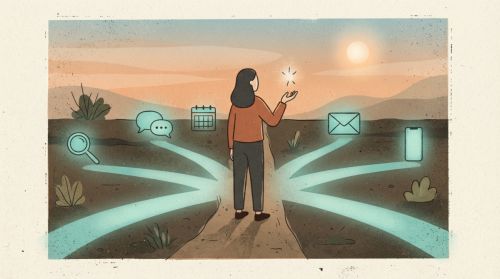
How to Choose Ad Channels From the Buyer's Trigger Moment
A trigger-to-channel table, six steps to turn personas into a channel plan, and why a brief beats a channel template on a small budget.
 Comparison
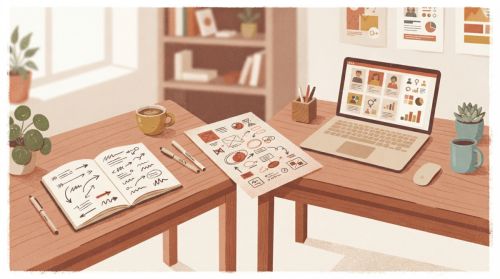
Populica vs Hiring a Brand Strategist for a Small Campaign
Verified 2026 brand strategist rates, a side-by-side table, where a strategist clearly wins and a five-step way to use both on a small campaign.
 Guide
How to Pressure-Test Ad Messaging Before You Spend the Budget
Five low-cost tests and a six-step routine to break weak ad messages before the market does, plus what no pre-launch test can tell you.
 Comparison
Populica vs a Spreadsheet Persona Template: Which One Fits a Small Campaign
A free spreadsheet template gives structure; Populica drafts researched personas. Where each one wins, a side-by-side table and a five-step way to use both.
 Guide
How to Write a Customer Objection List Before You Write Any Ads
Write the objections first and the ads answer real hesitations. Six objection types, where to find them, a six-step method and how to turn each line into copy.
 Guide
How Agencies Can Use AI Research Without Losing the Client Relationship
AI research protects the client relationship when the AI output is a draft the client helps correct. Who owns each part of the work, a six-step kickoff, and how to keep the reasoning visible.
 Comparison
Populica vs a Marketing Intern for Audience Research: Time, Cost and Depth Compared
A paid marketing intern costs a small US team roughly $770 a month at 10 hours a week. Where an intern clearly wins, where Populica is faster and cheaper, and a five-step way to combine them.
 Guide
What a Good Campaign Launch Document Actually Needs to Include
A launch document is the signed-off record of a campaign before money is spent. The eight sections it needs, what to leave out, and why it is the best context you can give an AI drafting your creative.
 Comparison
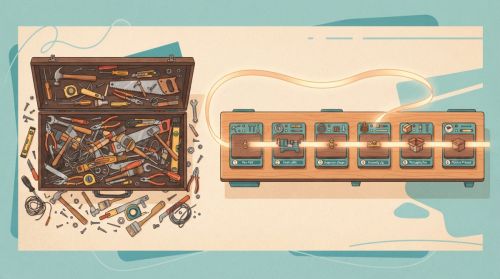
Populica vs Using ChatGPT Directly for Campaign Planning
ChatGPT can plan a campaign if you feed it the research. A fair comparison of ChatGPT and Populica on price, structure and context, with a view on why research beats a prompt template.
 Guide
Why Most Buyer Personas Never Get Used After the Kickoff Meeting
Buyer personas often go unused after the kickoff meeting. Here are four structural causes, a comparison of a filed persona and a used one, and a six-step method to make personas shape the work.
 Guide
How to Brief a Six-Step Campaign When You Only Have a Company Name and a Website
A practical method for turning a company name and a website into a six-step campaign brief, with a table of what a site can and cannot tell you and five questions for the client.
 Comparison
Populica vs Hiring a Freelance Market Researcher: Cost and Turnaround Compared
A side-by-side comparison of hiring a freelance market researcher and using Populica, with sourced rate ranges, a fair look at where a human wins, and a way to use both.
 Guide
A Practical Framework for Naming Your Campaign's Target Audience in One Sentence
A three-slot framework for writing a campaign's target audience as one specific sentence, with weak and strong examples, a ten-minute method and checks to run before briefing.
 Comparison
Populica vs Canva Magic Studio for Ad Creative: Templates vs. Researched Creative
Canva Magic Studio makes a finished, on-brand ad fast. Populica works out who the ad is for and what objection it must answer. A fair comparison, with Canva's current pricing and a workflow for using both.
 Guide
The Six Questions a Campaign Strategy Brief Should Answer Before You Write a Single Ad
Who is it for, what should they believe after, what stops them, what can you prove, where will they see it, and how will you know it worked. The six questions a campaign strategy brief needs, with weak and usable answers compared.
 Comparison
Populica vs Copy.ai: Content Generation vs. Audience-First Campaign Building
Copy.ai is now a go-to-market automation platform; Populica researches who the buyer is and builds the campaign from it. Here is where each one wins and what each costs today.
 Guide
How to Write Ad Creative That Isn't Generic Stock-Photo Marketing
Stock-photo creative comes from choosing the image before the claim. A seven-step method to build ad creative from one buyer, one objection and one visual idea, plus when stock is actually fine.
 Comparison
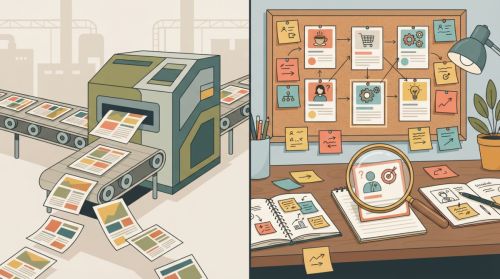
Populica vs Jasper: Marketing Copy Generation vs. Full Campaign Research
Jasper is an AI content platform for producing on-brand copy at scale. Populica researches who the buyer is and builds the campaign from that research. Here is where each one wins, and what each costs today.
 Comparison
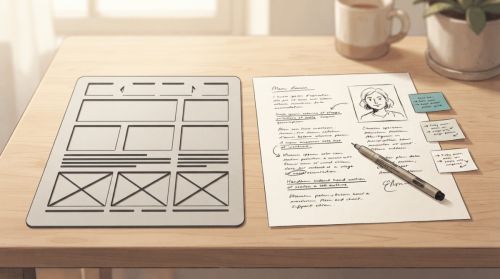
Campaign Brief vs Prompt Template: What Each One Can and Cannot Give an AI
A prompt template gives an AI method: format, steps and checks. A campaign brief gives it knowledge: this buyer, this objection, this proof. Here is what each one can and cannot do, the swap test that tells them apart, and how to layer them in one prompt.
 Guide
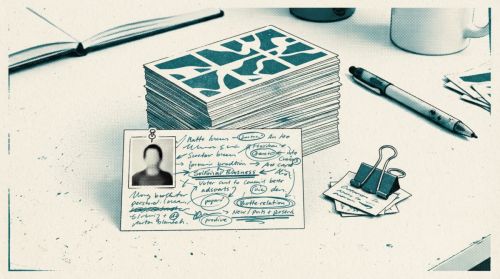
Why AI-Written Ad Copy Comes Out Generic (It Is Not the Model)
Generic AI ad copy is almost always an input problem. A language model can only use what is in its context, and a thin prompt gets the average ad for the category. What to add, in what order, and why a better template is not enough.
 Guide
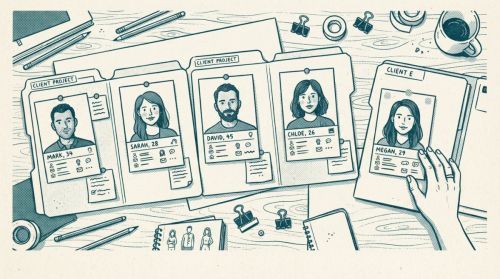
How a Small Agency Can Give Every Client Real Audience Research
Audience research is the step small agencies cut first. Here is a repeatable process that makes it a fixed part of onboarding for every client, what counts as real research and what does not, and where a measurement tool is still worth paying for.
 Comparison
Jasper Alternatives for Marketers Who Need Research, Not Just Copy
Most Jasper alternative lists compare writing tools to other writing tools. If your complaint is that the output reads like anyone could have written it, the replacement you need is research, not a cheaper seat. Verified September 2026 pricing.
 Comparison
SparkToro Alternatives for Audience Research on a Small Budget
No cheap tool reproduces SparkToro's dataset, so the real question is which part of SparkToro you were using. A verified price comparison, and the part of audience research that costs nothing.
 Comparison
AdCreative.ai Alternatives: What to Look at Before You Renew
The right AdCreative.ai alternative depends on whether volume or briefing was your real bottleneck. Verified 2026 pricing, the alternatives grouped by what they replace, and a four-step renewal check.
 Guide
What Is a Campaign Brief, and Why Most Small Teams Skip Writing One
Most small teams skip the brief because it feels like paperwork. It is now also the single biggest lever on the quality of anything an AI drafts for you, and a prompt template cannot replace it.
 Comparison
Populica vs SparkToro: Audience Data vs. a Full Campaign Built From It
SparkToro tells you where your audience already spends attention. Populica takes that kind of research and turns it into personas, strategy and creative in one pass.
 Comparison
Populica vs AdCreative.ai: Research-First Personas vs. Ad Generation at Scale
AdCreative.ai generates a high volume of ad variations fast. Populica starts one step earlier, with the audience research that tells you what to generate.
 Guide
How to Build Buyer Personas When You Have Zero Customer Data
Most "buyer persona" templates assume you already have customers to interview. Here is what to do when you do not.